AI chip strategy: Europe's sovereign semiconductor future
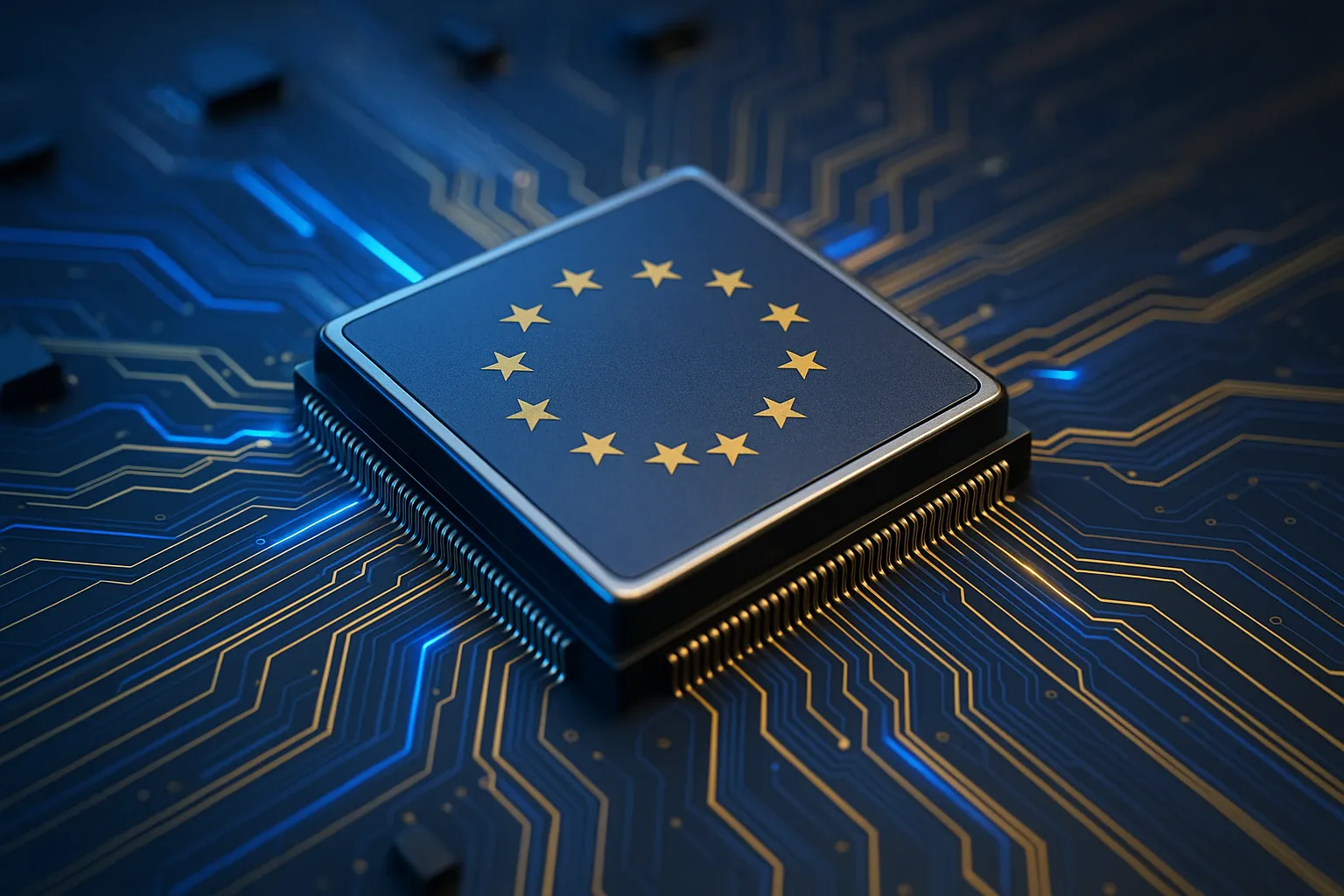
- The EU is investing over €200 billion to establish sovereign AI chip manufacturing capabilities
- Major stakeholders include Intel, TSMC, and European firms like Infineon and STMicroelectronics
- Initiatives like the EU Chips Act and InvestAI aim to enhance Europe's competitiveness
In an era where artificial intelligence (AI) is reshaping industries, the European Union (EU) is making significant strides to ensure it isn’t left behind. Recognizing the strategic importance of AI chips, the EU is channeling substantial investments into developing its own semiconductor manufacturing capabilities. This move is not just about technological advancement but also about securing economic sovereignty and reducing dependency on external players.
Strategic Motivations Behind Europe’s AI Chip Push
The EU’s drive for AI chip independence stems from several critical factors:
- Supply Chain Resilience: The global chip shortage highlighted vulnerabilities in relying heavily on external suppliers, especially from Asia.
- Technological Sovereignty: With AI becoming integral to various sectors, controlling the production of AI chips ensures that the EU can set its own course without external constraints.
- Economic Competitiveness: By investing in semiconductor manufacturing, the EU aims to boost its economy, create jobs, and position itself as a leader in the AI domain.
Major Stakeholders in Europe’s Semiconductor Landscape
Intel
Intel has announced plans to invest up to €80 billion in the EU over the next decade. This includes the establishment of a new semiconductor manufacturing site in Magdeburg, Germany, valued at over €30 billion. The German government is expected to cover approximately one-third of this investment. Intel EU investment details opens in a new tab
TSMC
Taiwan’s TSMC is collaborating with European firms like Infineon, Bosch, and NXP to build a semiconductor fabrication plant in Dresden, Germany. The joint venture, European Semiconductor Manufacturing Co. (ESMC), is set to begin production in 2027, targeting a capacity of 40,000 300-mm wafers per month. TSMC Dresden project overview opens in a new tab
European Firms
Companies like STMicroelectronics, ASML, and Infineon are pivotal to Europe’s semiconductor ambitions. They bring in-depth expertise and are integral to the EU’s strategy to bolster its internal capabilities.
Funding Sources and Timelines
EU Chips Act
Launched in 2023, the EU Chips Act aims to mobilize €43 billion in public and private investments by 2030. The goal is to double Europe’s global market share in semiconductors from 10% to 20%. EU Chips Act details opens in a new tab
InvestAI Initiative
Introduced in 2025, the InvestAI initiative seeks to mobilize €200 billion for AI development, including the establishment of AI chip manufacturing facilities. These “AI factories” will serve as hubs for innovation and production. InvestAI initiative details opens in a new tab
Implications for Global AI Development and Geopolitics
Europe’s push for AI chip sovereignty has far-reaching implications:
- Global Supply Chain Dynamics: By developing its own semiconductor capabilities, the EU reduces its dependency on Asian suppliers, potentially reshaping global supply chains.
- Geopolitical Influence: Control over AI chip production enhances the EU’s strategic autonomy, allowing it to navigate geopolitical tensions more effectively.
- Technological Leadership: Investments in AI chip manufacturing position the EU as a significant player in the global tech arena, fostering innovation and competitiveness.
Potential Outcomes and Challenges
Opportunities
- Economic Growth: The semiconductor industry can drive job creation and economic development across member states.
- Innovation Ecosystem: Establishing AI factories and research centers can spur innovation, attracting talent and fostering startups.
Challenges
- High Capital Requirements: Building semiconductor fabs is capital-intensive, requiring sustained investments over time.
- Talent Shortage: There’s a pressing need for skilled professionals in semiconductor design and manufacturing.
- Global Competition: Competing with established players like the US and Asia requires not just investments but also strategic planning and execution.
Conclusion
The EU’s ambitious plans to develop sovereign AI chip manufacturing capabilities underscore its commitment to technological independence and economic resilience. While challenges persist, the concerted efforts of public and private stakeholders, backed by substantial investments, position Europe to play a pivotal role in the future of AI and semiconductor technologies.
Note: This article is based on publicly available information as of May 2025.