Neighborhood Neural Radio: FM AI updates for IoT
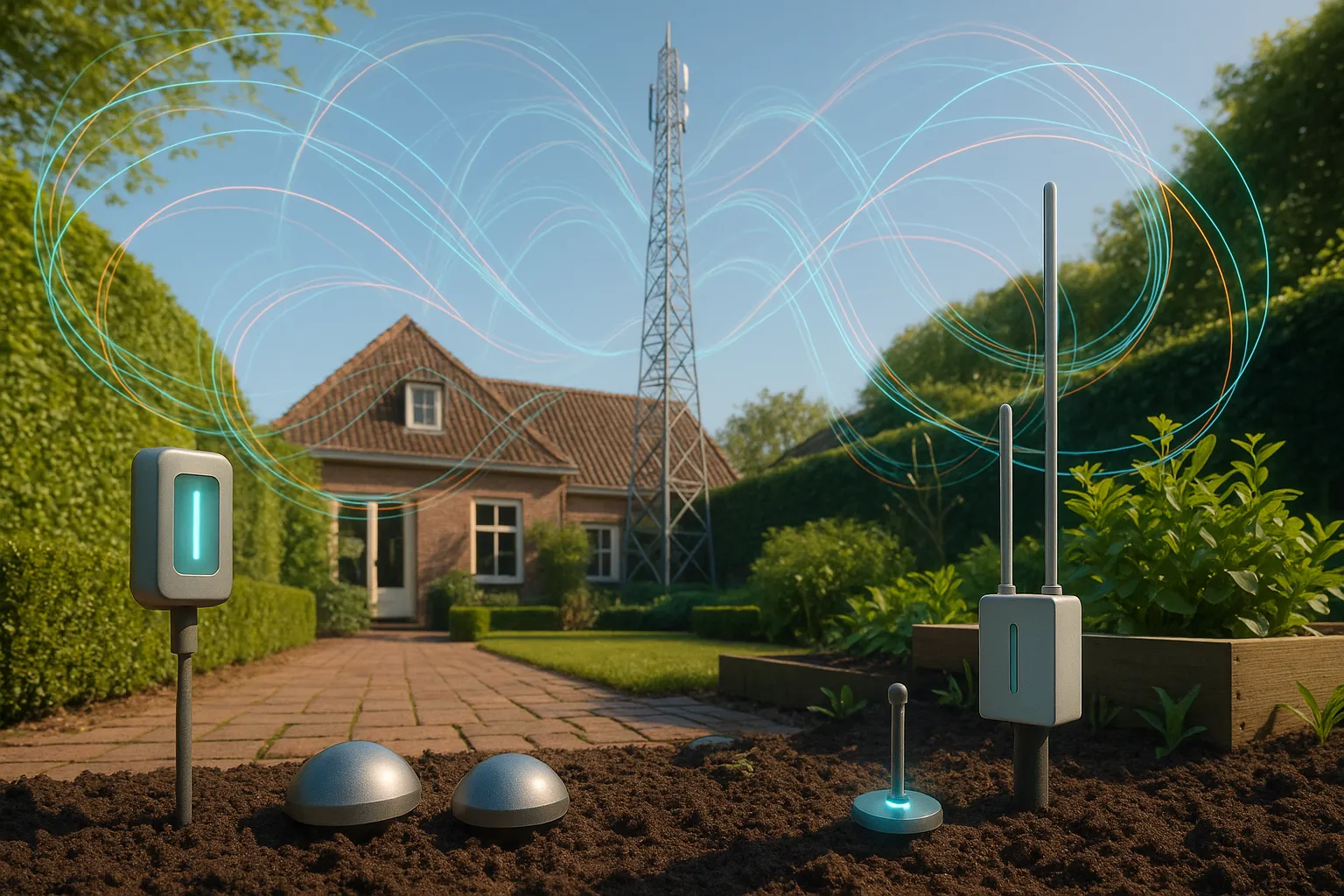
- Tiny AI models now ride FM radio waves to reach devices without internet
- No Wi-Fi or cell service required, just a cheap radio chip
- Perfect for sensors, science projects, and emergency alerts
What is Neighborhood Neural Radio?
Neighborhood Neural Radio is a low-bandwidth system that delivers tiny machine learning model updates using the FM Radio Data System (RDS). Originally designed for displaying radio station names or song info, RDS carries a hidden data channel that this system uses to broadcast compressed AI models to nearby devices.
These updates let small devices like weather sensors, soil monitors, and fire detectors pick up new functions without needing Wi-Fi, mobile data, or cables. The system works offline, keeps costs down, and stays reliable even if the network goes out. It uses the same FM signals your radio does, just sending out software instead of songs.
Using tools like PiFmRds [FM radio transmitter software for Raspberry Pi] and OTA-TinyML [over-the-air TinyML model update system], this system combines open hardware and open source resources to make over-the-air model updates possible.
FM radio AI updates: how it works
1. Shrink the model
The AI model gets compressed using simple techniques. A 50 KB file might be trimmed down to just 12 KB by removing unnecessary parts.
2. Break it into pieces
The compressed model is divided into small pieces. Each one is labeled and double-checked, like sending a puzzle piece one at a time.
3. Send it over FM radio
A Raspberry Pi sends these puzzle pieces through the radio signal’s side channel. This side channel doesn’t interfere with the main audio, so regular radio broadcasts continue uninterrupted while the updates go out in parallel.
4. Rebuild on the device
Nearby sensors with radio chips catch the signal, collect the pieces, verify their integrity, and piece together the new model. Then they start using it, all without an internet connection.
Energy efficiency and environmental impact
Neighborhood Neural Radio is designed with sustainability in mind:
- Minimal power draw: Receivers consume less than 1mW during updates, about the same as a digital watch.
- Solar-powered operation: Many field devices can run for years on small solar panels, with the radio receiver drawing minimal power during idle states.
- Eco-friendly updates: By eliminating the need for cellular or WiFi infrastructure, the system reduces electronic waste and energy consumption in remote areas.
- Battery life: A standard coin cell battery can power a receiver for up to 5 years with daily model updates.
How long does it take?
- Regular FM RDS can send around 150 bytes per second
- A 12 KB model takes about 1.5 minutes to send
- Using a faster version (called RDS2) cuts that time to just 20 seconds
Updates can be repeated overnight, so even if a sensor misses a bit, it can catch up later.
Why it’s actually useful
For gardens and farms
Sensors can learn new tricks, like spotting plant stress, even if a storm knocks out the internet.
For community science
Local weather stations can share improved prediction models across a neighborhood, helping everyone prepare for sudden weather changes.
For emergencies
Send wildfire or gas-leak alerts to every nearby device instantly, no network required.
Future enhancements
The technology continues to evolve with several exciting directions:
- Federated learning: Devices could share local improvements back to the network, creating a collaborative learning system without sharing raw data.
- Adaptive compression: Models that automatically adjust their size based on signal strength and battery levels.
- Multi-hop networks: Devices relaying updates to extend coverage beyond the main transmitter’s range.
- Emergency broadcasts: Special signals that can wake up sleeping devices for critical updates.
- Hybrid systems: Combining FM updates with occasional WiFi or cellular when available for larger transfers.
What’s behind the curtain?
| Tech | What it does |
|---|---|
| FM radio | Sends data in a hidden channel |
| Raspberry Pi | Handles broadcasting from home |
| Model tools | Shrink and chop AI brains into pieces |
| Radio chips | Catch and rebuild the model on the other end |
| Safety checks | Make sure updates aren’t fake or broken |
| No data available |
Challenges and constraints
- Radio regulations: You can’t broadcast FM without proper licensing, but you can collaborate with local stations.
- Model size: Large updates take longer to transmit, so compression and efficient encoding are crucial.
- Security: Digital signatures ensure that only verified updates are accepted by devices.
- Signal reliability: Error correction and retransmission protocols handle any lost data packets.
Big tech is interested too
Google has filed patents exploring the use of FM radio for AI data transmission. If major tech companies are paying attention, this technology clearly has significant potential.
Neighborhood Neural Radio isn’t just clever, it’s practical. It turns the airwaves into a digital delivery system for smarter gadgets, with no strings (or cables) attached.