The Godfather: Greatest movie of all time
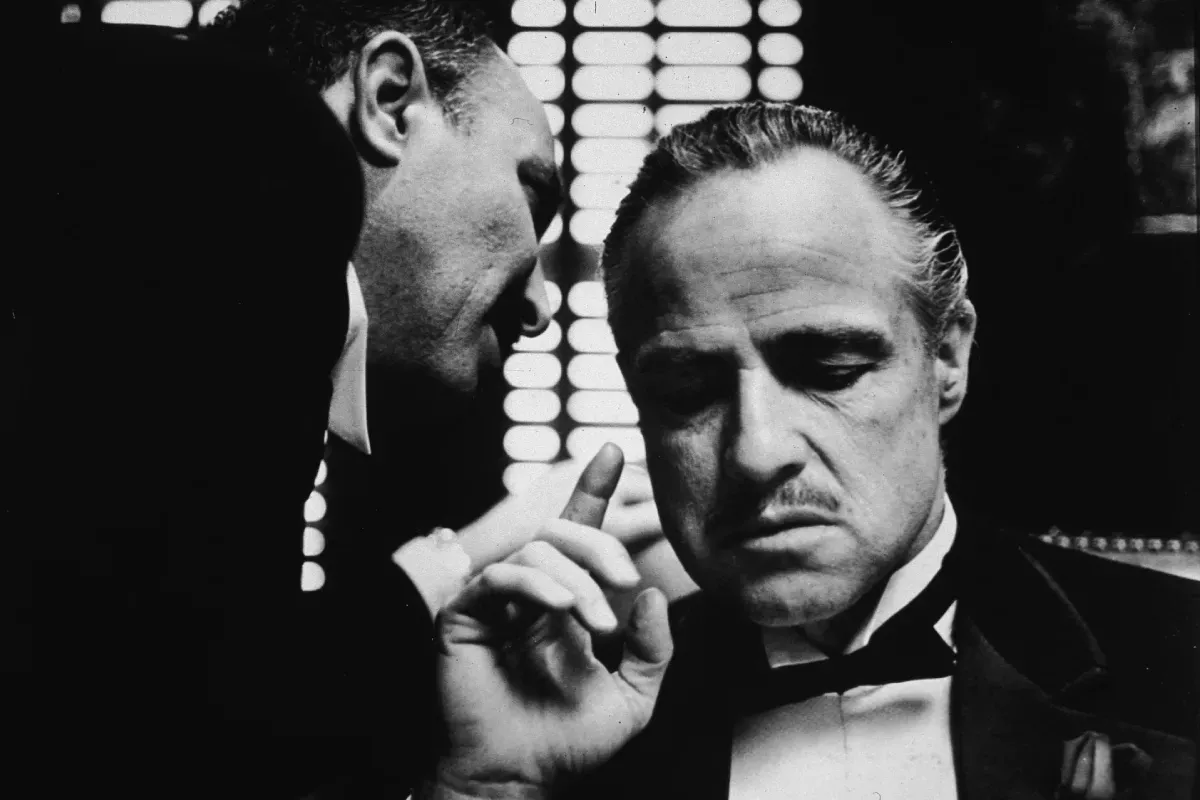
- Deeply human story of family, power, and moral compromise
- Don Vito and Michael Corleone remain timeless characters in cinema
- Part III never resonated emotionally like the first two masterpieces
A movie I return to over and over again
I’ve lost count of how many times I’ve watched The Godfather. It’s well over fifty now. And still, every time that trumpet intro plays, I’m pulled in as if it’s my first viewing. It’s more than a movie to me. It’s a place, a mood, a meditation on family, honor, and the quiet, creeping cost of power.
I’ve always loved gangster films. Goodfellas is thrilling. Scarface is iconic. The Sopranos is brilliant television. But none of them feel like The Godfather. This film doesn’t just entertain; it immerses, haunts, and lingers. It doesn’t shout; it whispers truths about loyalty, identity, and destiny until they sink into your bones.
Don Vito: the quiet moral core
What makes The Godfather singular is how much heart it has, and a lot of that comes from Don Vito Corleone. Marlon Brando plays him not as a tyrant, but as a deeply principled man burdened by responsibility. He’s calm, fair, even kind, but only within the rules of his world.
A man who doesn’t spend time with his family can never be a real man
— Don Vito Corleone
He doesn’t seek violence. He dreads what his life demands. And that contradiction, the peaceful don in a violent world, is why he feels so real to me. He reminds me of older men in my family: quiet, wise, not boastful, but carrying the weight of others’ futures.
Michael: the slow descent
Michael’s journey, though, is the soul of the film. At the start, he’s the outsider: the college boy, the war hero, the one who says, “That’s my family, Kay. It’s not me.” But when Apollonia dies, something breaks. It’s like his love died with her, and what remains is steel.
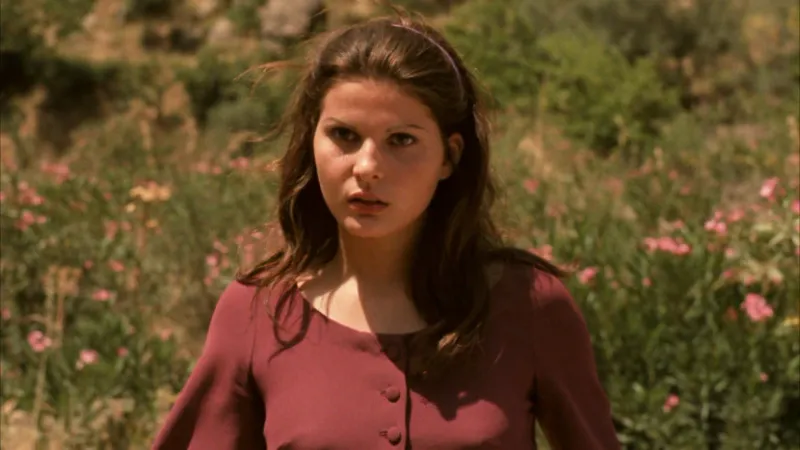
Every time I rewatch that final scene, him lying to Kay, shutting the door as his capos kiss his hand, I feel both awe and grief. He won. He became Don. But at what cost?
Did he succeed? That’s the question that keeps me coming back. He kept the family in power, but he lost himself. He didn’t just inherit his father’s empire; he inherited his loneliness.
Why I could never love part III
Parts I and II are perfect to me. They form a complete arc, an origin story and a Greek tragedy rolled into one. Part III tries to give Michael redemption, but for me, the damage was already done. It felt disconnected, emotionally muted, and narratively uneven. Maybe if Robert Duvall had returned, or if Winona Ryder had played Mary instead of Sofia Coppola, it would have landed differently.
But in a way, I’m glad I don’t love Part III. The first two films stand as untouchable. Part III just reminds me how high the bar was.
It’s not just a movie, it’s a mirror
The Godfather makes me reflect, not just on power or loyalty, but on the legacy we leave. Who are we when the world forces our hand? What do we sacrifice to protect those we love? What happens when we become the thing we swore we’d never be?
These questions follow me after every rewatch. And maybe that’s why I’ll never stop watching. It’s a film that grows with me, reveals new shades as I change, and always reminds me that greatness comes not from spectacle, but from soul.
In my heart, The Godfather isn’t just the greatest film ever made. It’s the one that knows me best.
It deserves its legendary status
Sometimes I’ll see a top movies list and roll my eyes. Rankings are subjective, often political, or just trend-driven. But when I see The Godfather at number one, it feels right. It’s not hype or nostalgia; it’s earned.
The craftsmanship is immaculate. The cinematography feels like classical painting. The dialogue, even whispered, cuts deep. The performances don’t just impress; they lodge themselves into culture. How many movies are this quotable, and this profound?
What elevates it most, though, is its balance. It’s thrilling but meditative. Violent but introspective. Operatic yet intimate. It doesn’t need CGI or high-concept tricks. Just story, character, and soul.
So yes, it deserves its high rating. Not because critics say so, but because it lives in the minds and hearts of those who watch it. Again. And again. And again.